Carbon spoilers for luxury cars | Spares USA

Why carbon spoilers matter
Carbon spoilers are one of the most recognizable upgrades on modern performance and luxury cars. They sit at the intersection of design, weight savings, motorsport influence, and visual identity, which is why buyers often look for them when restoring, repairing, or personalizing a premium vehicle. For a private owner, the appeal may be a sharper rear profile or a more aggressive factory-inspired look. For a workshop, body shop, dealer, or parts reseller, the value is often more practical: sourcing the right part quickly, matching the vehicle properly, and helping the end customer preserve the character of the car.
Unlike generic exterior trim, carbon spoilers should be treated as precision parts. The shape, mounting points, weave direction, lacquer condition, and vehicle compatibility all matter. A spoiler that looks close in photos may still fail to sit flush on the decklid, create uneven panel gaps, or require unnecessary modification. That is especially true for luxury and exotic models, where small fitment issues are much more noticeable.
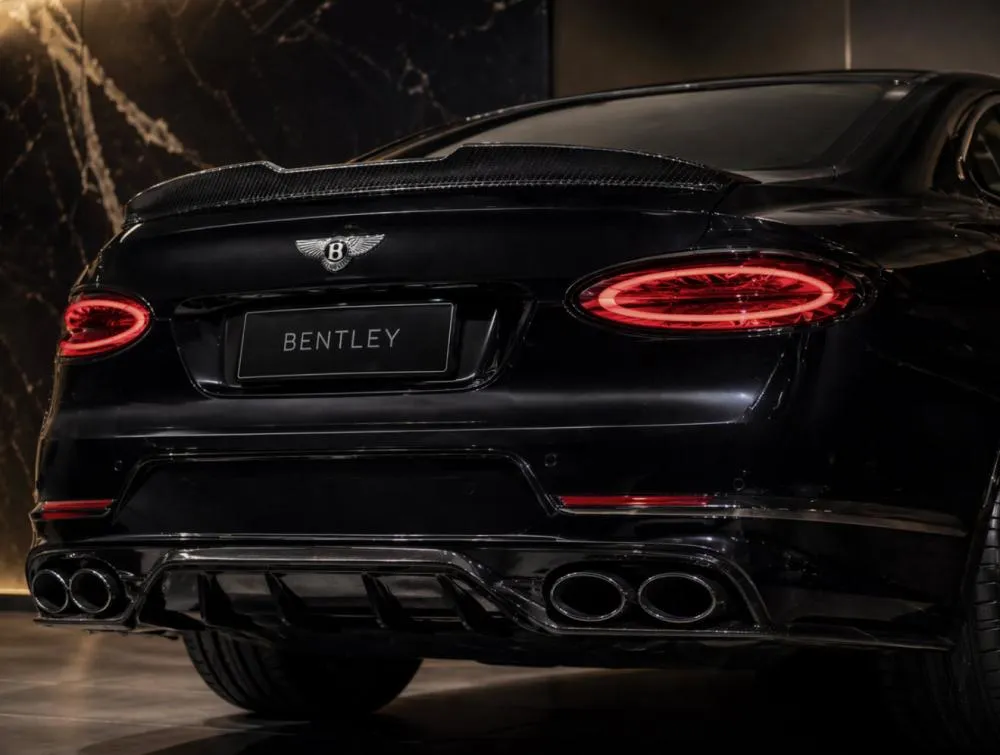
What carbon spoilers do
In simple terms, a spoiler manages airflow around the rear of a vehicle. Depending on its design, it can reduce lift, improve high-speed stability, or support the intended aerodynamic balance of the car. On road cars, the difference is not always dramatic in everyday driving, but the design language is still rooted in performance engineering. That is why carbon spoilers are so common on higher-performance trims, special editions, track-focused variants, and modified luxury cars.
The carbon fiber construction adds another layer of appeal. Carbon fiber is associated with strength, low weight, and premium manufacturing. It also has a distinctive visual texture that signals performance without needing a loud color or oversized design. On a Ferrari, Maserati, Lamborghini, Bentley, or similar luxury vehicle, the part often feels like it belongs when it follows the factory lines and complements the rest of the exterior. Buyers browsing brand-specific parts can start with relevant pages such as Ferrari parts, Maserati parts, Lamborghini parts, or Bentley parts when comparing options.
Choosing the right style
Not every spoiler has the same purpose or personality. Some carbon spoilers are small lip-style pieces that extend the trunk edge by only a few centimeters. These are popular because they keep the car elegant while adding a more finished rear profile. Other designs are taller, sharper, or more motorsport-inspired, with more obvious aerodynamic intent. A luxury sedan, grand tourer, or exotic coupe may suit a restrained design better than an aggressive wing-style part, especially if the goal is to preserve resale-friendly styling.
Factory style vs custom look
Many buyers begin by asking whether they want a factory-style part or a custom appearance. Factory-style carbon spoilers generally follow the original design language of the model. They may be preferred for collision repair, lease return preparation, high-end resale, or a restoration where originality matters. Custom-style spoilers can work well for personal builds, show cars, and performance-focused projects, but they require more judgment. A dramatic carbon fiber part can transform the rear of a car, yet it can also look out of place if the rest of the exterior remains understated. The best choice is usually the one that looks intentional from every angle, not just from a close-up photo.
Gloss, matte, and exposed weave
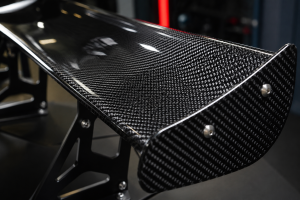
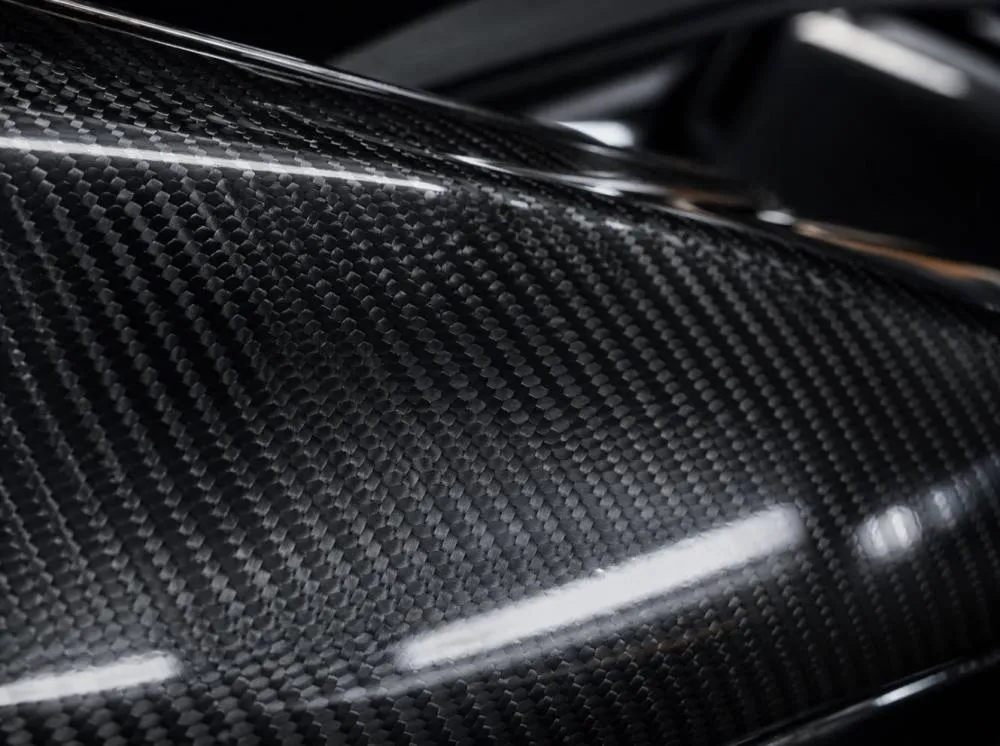
The finish is just as important as the shape. Gloss carbon is the most common choice for carbon spoilers because it highlights the weave and pairs well with clear-coated exterior trim. Matte carbon creates a quieter, more technical look, but it may be harder to match with existing glossy carbon accents. Exposed weave should be inspected closely, especially on used parts, because clouding, yellowing, chips, or uneven lacquer can affect the final appearance. Even if the structure is sound, refinishing carbon fiber is more specialized than repainting a basic plastic trim piece.
Used carbon spoilers can make sense
For many buyers, used carbon spoilers are attractive because they may offer a practical route to premium parts without starting from a new factory component. This is especially relevant for luxury and exotic vehicles, where exterior carbon parts can be expensive, limited, or difficult to locate through traditional channels. A used part may also be useful when the goal is to match an original specification rather than install an aftermarket alternative. The key is to evaluate condition and compatibility carefully before committing.
Used does not mean careless. In fact, buying used luxury-car parts often requires more attention, not less. The part should be checked for broken tabs, previous repairs, delamination, cracks around mounting points, edge damage, heat distortion, fading, and signs of poor removal. Photos should show the top surface, underside, edges, and mounting areas. If the part came from a dismantled vehicle, the donor context may help confirm fitment, trim level, and originality. Buyers can browse available categories through used luxury-car part categories or explore dismantled vehicles when looking for compatible components.
Fitment comes first
The most important rule with carbon spoilers is simple: fitment comes before appearance. A beautiful part is not useful if it does not match the car. Year, model, body style, trim package, trunk or hatch design, and original mounting method can all affect compatibility. Some spoilers attach with adhesive, some use factory mounting holes, and others combine both. On certain vehicles, the same model name can include different rear decklid shapes across trims or production years, so buyers should avoid assuming interchangeability without checking details.
For B2B buyers, this is where process matters. A repair shop or dealer may need to verify a part before promising delivery to a customer. A parts reseller may need to record compatibility clearly to reduce returns. A collision center may need a part that installs cleanly without extra labor. Carbon spoilers can be profitable and desirable parts, but only when they are matched properly. If there is uncertainty, it is better to compare part numbers, donor vehicle information, underside mounting points, and clear photos before purchase. Search pages can also be useful for narrowing inventory, such as a query for carbon spoilers.
Inspection before buying
When reviewing carbon spoilers online, start with the obvious surface condition, then move to the less visible details. Look for chips on the leading and trailing edges, because these areas are commonly damaged during removal, shipping, or impact. Check the clear coat for haze, sun fade, peeling, or deep scratches. Inspect the weave for distortion or cloudy patches that may suggest repair or moisture under the finish. Then look at the underside, because broken studs, missing brackets, stripped inserts, and cracked mounting pads can turn a desirable part into a difficult installation.
It is also worth thinking about the full installation environment. Will the spoiler need new adhesive tape, clips, gaskets, or hardware? Does the car already have holes from a previous spoiler? Is paint correction needed around the trunk area before installation? These details are not always expensive, but they affect the final result. Carbon spoilers are visual parts, so the installation should look clean up close, not only from a distance.
Questions to ask
Before buying, ask direct questions. Which vehicle did the part come from? Are all mounting points intact? Has it been repaired? Are there close-up photos of the clear coat and underside? Is any hardware included? For business buyers, these questions protect both margin and customer satisfaction. For private buyers, they reduce the chance of ordering a part that looks right but becomes a project.
Matching carbon with the whole car
A single carbon piece can look excellent, but it should still feel connected to the rest of the vehicle. Carbon spoilers usually work best when they echo other exterior details, such as mirror caps, front splitters, rear diffusers, side blades, or interior carbon trim. That does not mean every car needs a full carbon package. Sometimes one tasteful rear spoiler is enough. The goal is balance: the part should enhance the car’s shape, not fight against it.
Color also matters. Carbon fiber stands out more on white, silver, red, and bright paint colors, while it can look more subtle on black, dark gray, or deep blue. A gloss carbon spoiler on a dark car may be visible mostly through reflection and texture, which can be ideal for a sophisticated build. On a brighter car, the same part becomes a stronger styling statement. This is one reason carbon spoilers remain popular across both B2C and B2B markets: they can serve different buyer goals without feeling generic.

When to contact a parts specialist
There are times when browsing is enough, and times when it is better to ask for help. If you are unsure about model-year compatibility, mounting points, donor vehicle details, or whether a used carbon part is suitable for your project, a parts specialist can help you narrow the search. This is especially valuable for shops and dealers working on deadlines, where ordering the wrong part can delay a repair or create unnecessary labor.
Carbon spoilers are not just accessories. They are visible, model-sensitive components that influence how a luxury car looks from one of its most important angles. Whether you are replacing a damaged part, upgrading a personal vehicle, preparing inventory for resale, or sourcing parts for a client, the right spoiler should combine fit, finish, and confidence. To ask about availability or confirm details before ordering, use the Spares USA contact page.